
Tell us what you see
Call (949) 360-1480 with the property address, what has cracked, sagged or moved, and whether the building is occupied. If there is immediate danger to occupants, call 911 first.
Structural repair
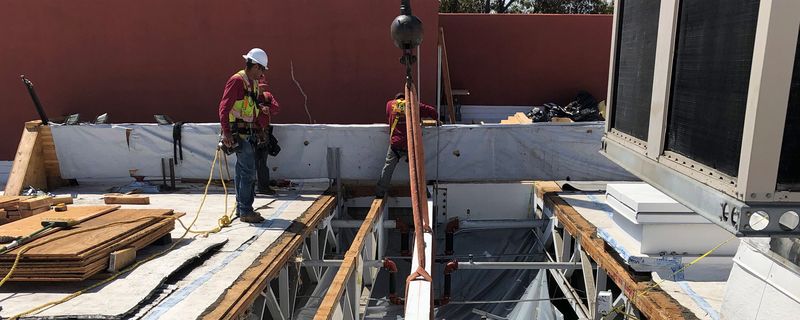
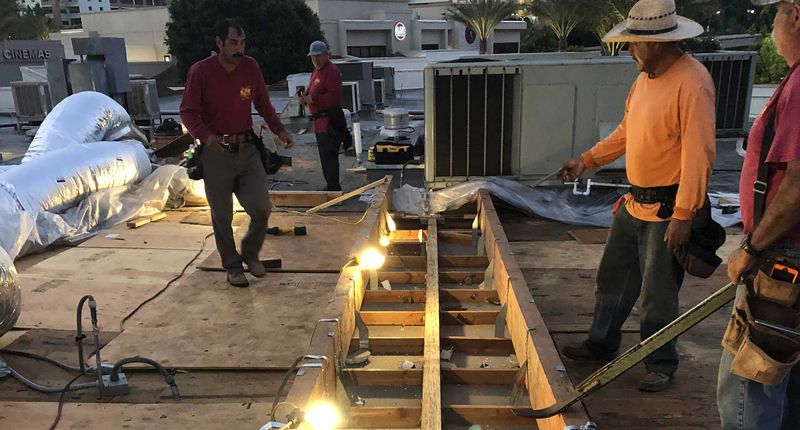 24-hour emergencyShored overnight — open the same morningSee the project
All services
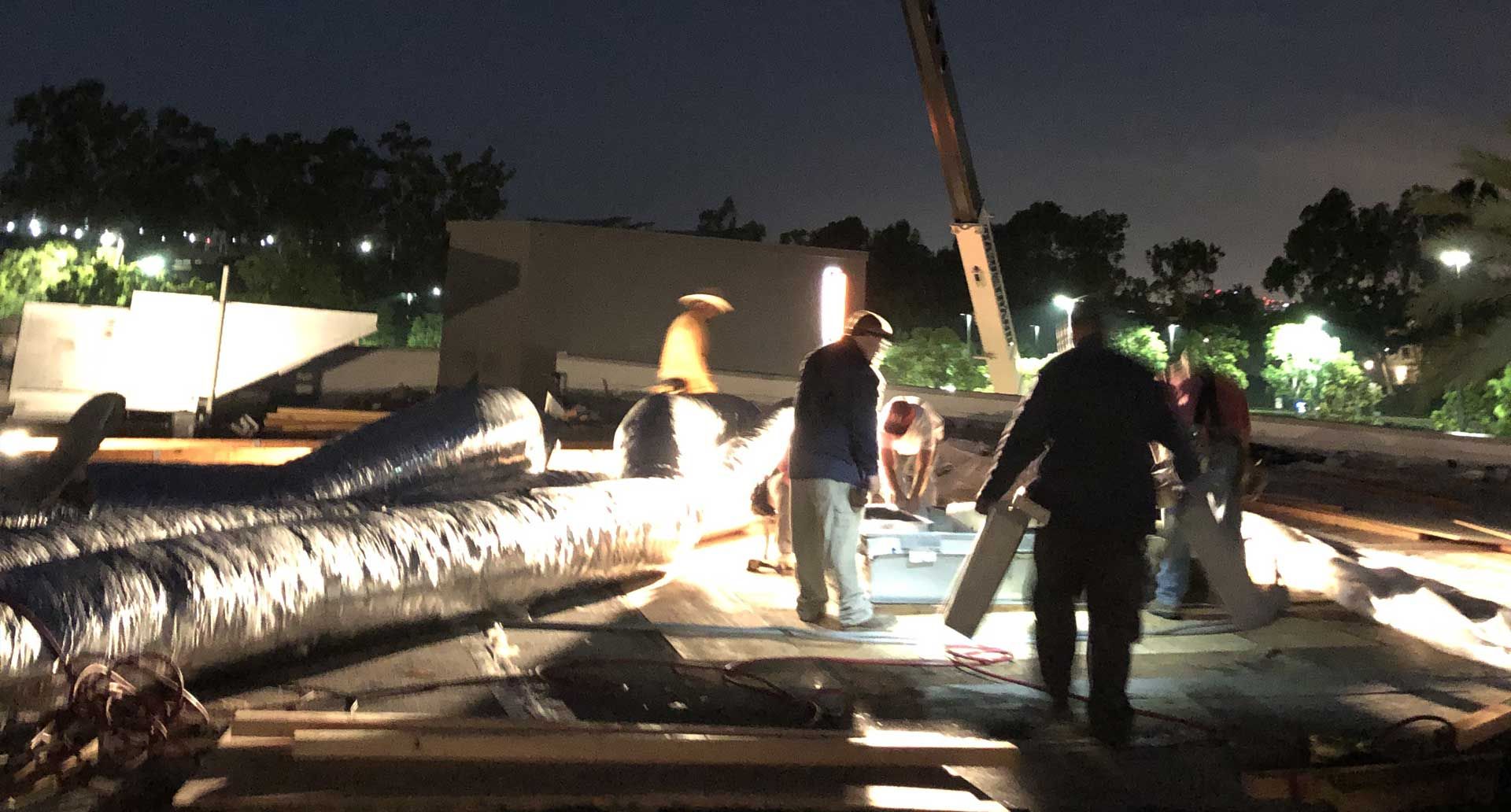
When a beam cracks or a roof sags, the building is stabilized first — then engineers plan the repair and our crews carry it out.
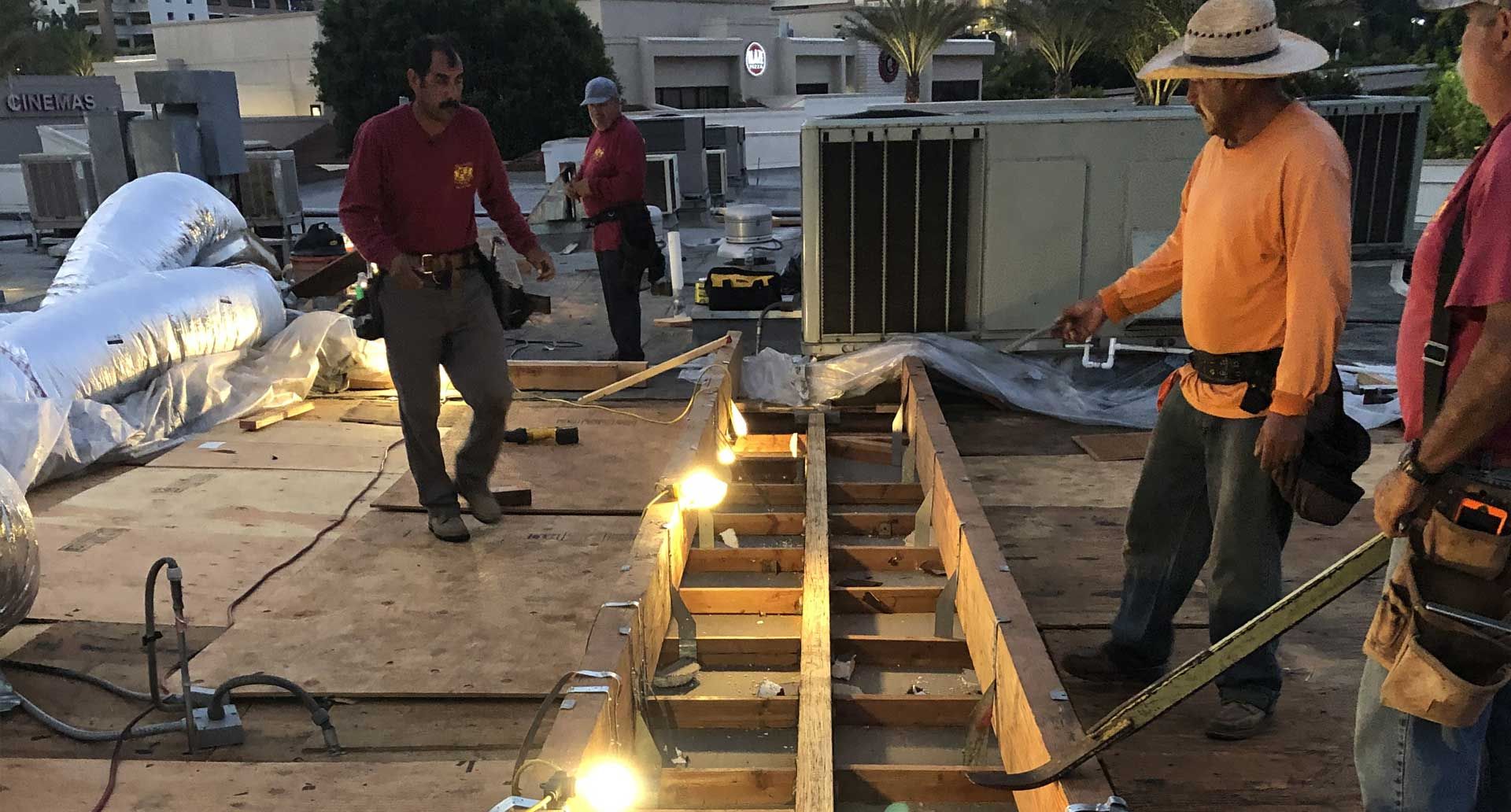
We are proactive in developing building, strengthening and repair methods that keep buildings occupied and functioning, so the business can continue to operate. Shoring gives engineers time to design the right repair, not a rushed one.
Call with the address, what moved, and whether it’s occupied.
We look at the beams, roof, columns and walls.
Temporary shoring carries the load.
Engineers design the permanent fix.
Repair, then remove the shoring.
Call (949) 360-1480 with the property address, what has cracked, sagged or moved, and whether the building is occupied. If there is immediate danger to occupants, call 911 first.
Our team looks at the affected beams, roof, columns or walls and plans where temporary supports are needed.
Temporary shoring is installed to carry the load and stabilize the structure — arranged around daily operations wherever possible.
With the building stable, engineers have time to develop the method of repair. We coordinate with them and give the owner a clear scope.
The damaged member is repaired or replaced, and the shoring is removed once the structure can carry its load again.
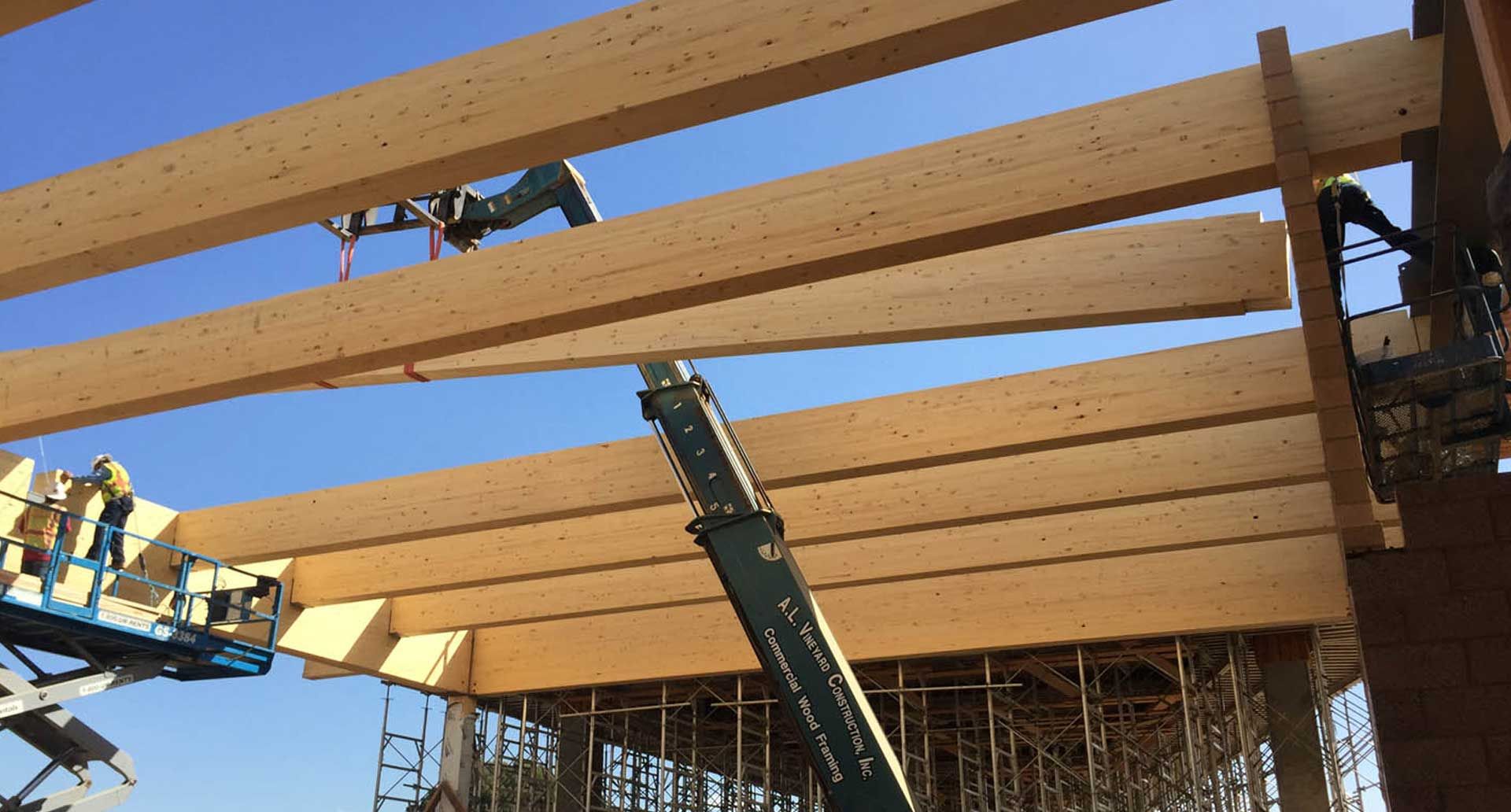
Continuous periodic inspections have consistently been the best way to avoid catastrophic losses. We review wood beam roof systems for integrity, decay and seismic condition, then give the owner a report and a recommended course of action.
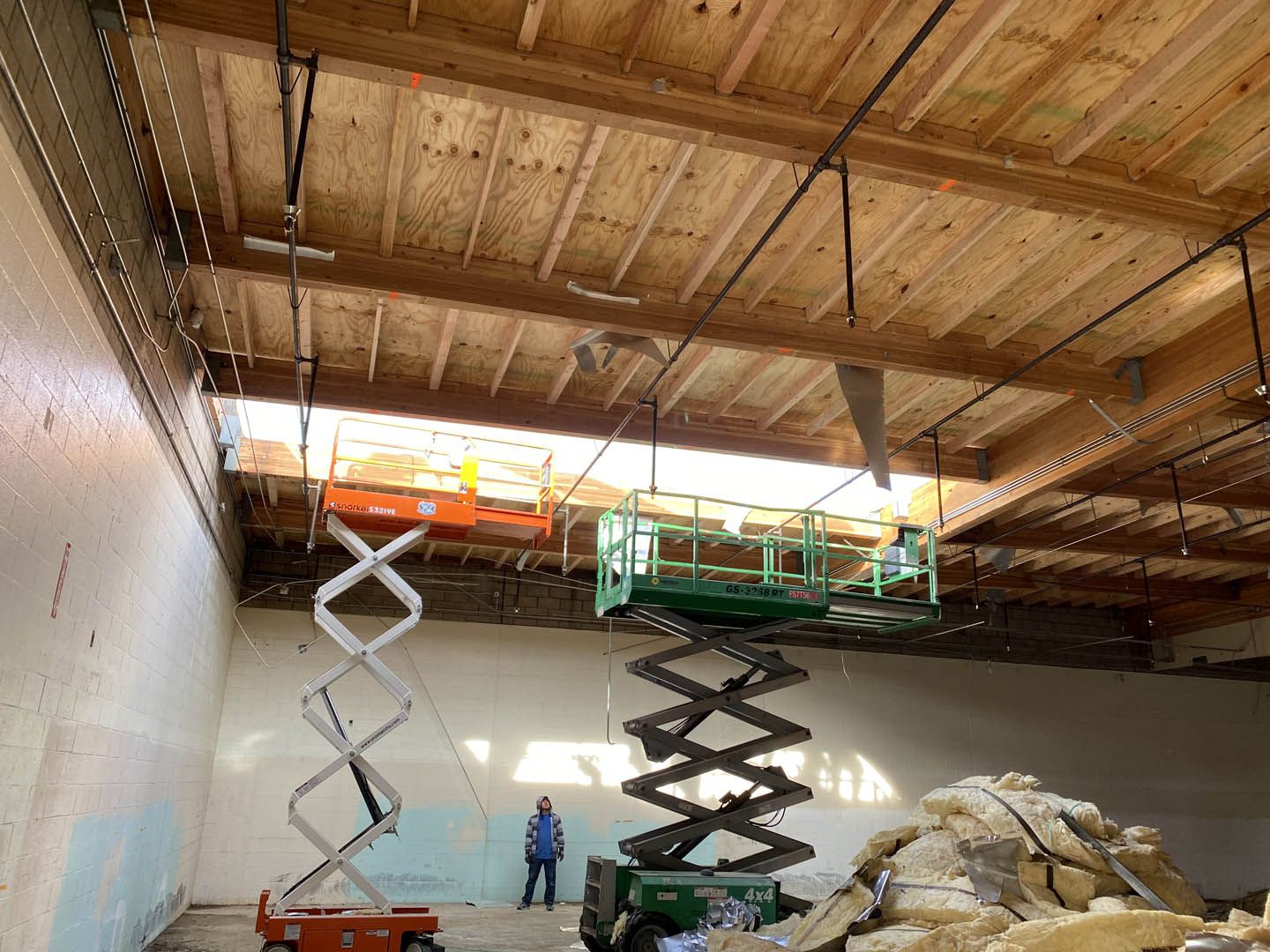
Some signs have minor causes; others point to weakened structural members. Worsening cracks or movement should be assessed promptly.
If a beam is cracked or sagging, or a wall is moving, keep people away from the area. If occupants are in immediate danger, call 911.
The principles Andrew Vineyard learned in the Marine Corps — discipline, accountability and getting it right the first time.
You work directly with Andrew Vineyard from the first call to project completion.
Short-term fixes cost clients more later. We solve problems rather than point fingers.
Our own crews do the structural wood framing, so we stay on top of quality and pace.
Whenever conditions allow, we plan the work so tenants and operations keep running.
Continuous periodic inspections have consistently been the best preventive way to avoid catastrophic losses.
We inspect existing buildings — especially wood beam roof systems — for integrity, decay and seismic condition.
Visible beam and truss conditions, decay, cracking, water damage and roof framing integrity.
Connection points, wall-to-roof ties, anchor bolts and bracing — coordinated with engineers where concerns are found.
A report on findings and a recommended course: shoring, a repair plan, seismic strengthening or ongoing inspections.
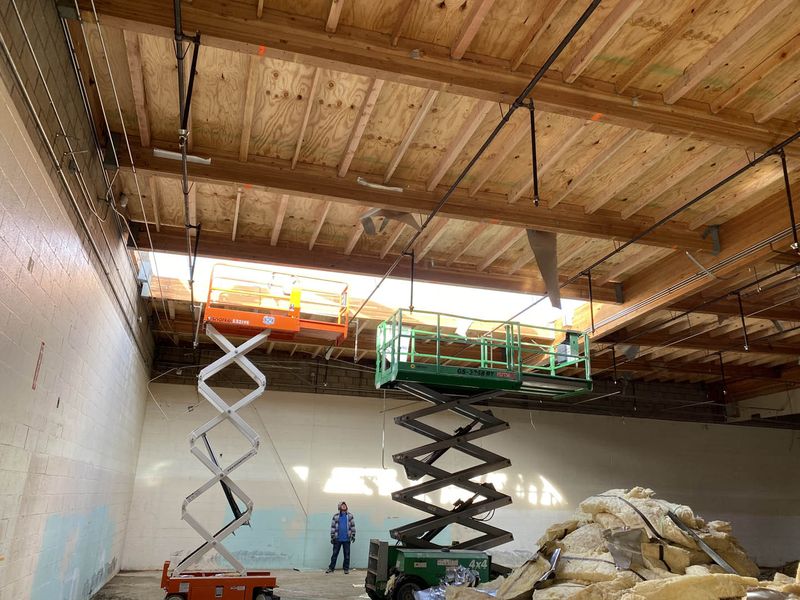 InspectionStructural InspectionsPeriodic inspections of wood beam roof systems for integrity, decay and seismic condition.ShoringEmergency Structural ShoringTemporary support for beams, roofs, columns and walls — so the building stays safe and the business stays open.
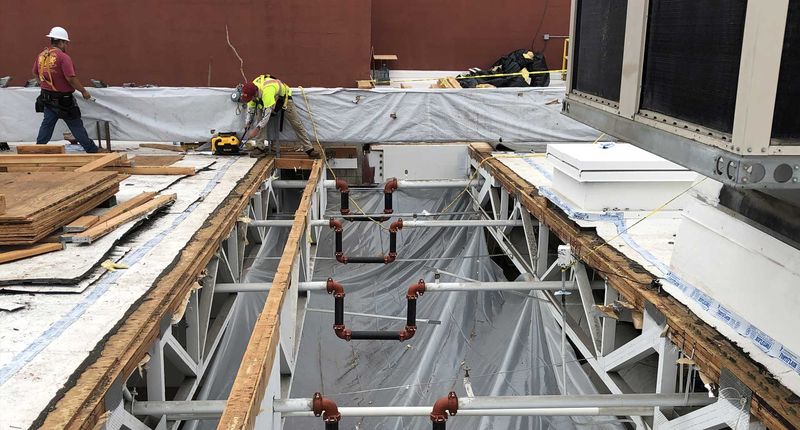 Beam repairGlulam Beam & Truss RepairReplacement, epoxy re-lamination and shear doweling of glulam beams and roof trusses.
Yes. We provide 24-hour emergency structural shoring for commercial buildings across Los Angeles and Orange County. Call (949) 360-1480 with the address and what you’re seeing. If there is immediate danger to occupants, call 911 first.
In most cases, yes. We develop repair and shoring methods that keep buildings occupied and operating — emergency glulam replacement and roof shoring have been completed at active retail stores and commercial tenants without closing.
For most commercial buildings in Southern California, every five years is a sound baseline. Older wood beam roof systems, known moisture issues or past seismic events call for more frequent inspections.
Not always. Sometimes an inspection confirms the building is sound. Other findings may recommend monitoring, an engineering review, or a specific repair such as beam reinforcement or seismic strengthening.
Planned repair, inspection or a new framing package — tell us about the project and you’ll hear back from our principal. For an emergency, call any time.